
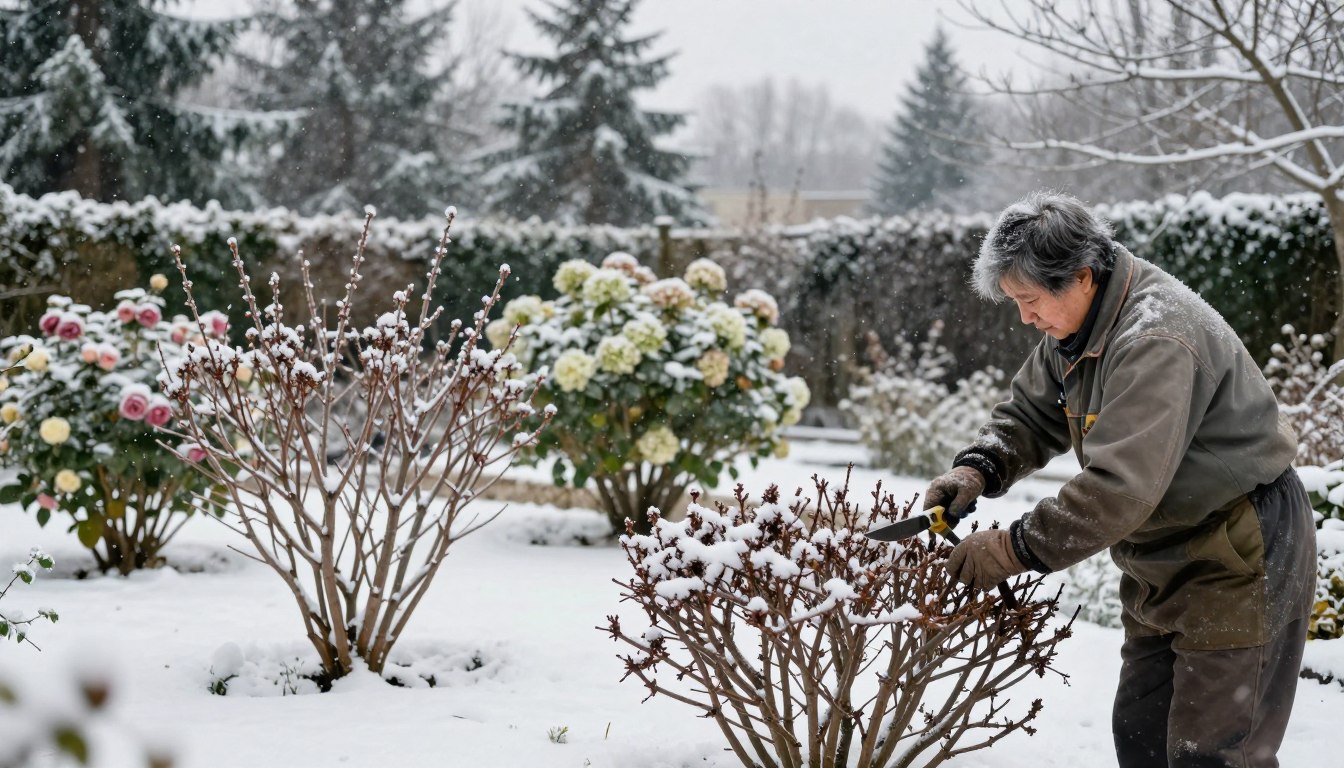
As winter approaches, it’s time to get your garden ready. Pruning your shrubs is key to keep them healthy and safe from snow and ice. Prune them in the fall, but wait until after the first frost when they’re dormant.
Pruning at the right time is very important. It stops new growth that could get damaged by winter. Pruning before winter keeps your shrubs healthy and ready for spring.
Key Takeaways
- Prune shrubs in fall after the first frost.
- Avoid heavy cuts early to prevent new growth.
- Pruning promotes healthy growth and prevents winter damage.
- Different shrubs have different pruning needs.
- Proper pruning techniques can enhance shrub appearance.
Why Winter Pruning Matters for Shrub Health
Pruning shrubs before winter is more than just cleaning up your garden. It’s essential for their health and strength. Learning about this gardening task can greatly improve how your shrubs do during cold months and beyond.
The Science Behind Winter Pruning
Pruning shrubs when they’re dormant helps them heal faster. This is key for next year’s blooms. Pruning before new growth starts lets the plant focus on healthy growth in spring.
Key aspects of the science behind winter pruning include:
- Dormancy: Pruning during dormancy reduces stress on the plant.
- Energy Conservation: By pruning, you’re helping the shrub conserve energy that would be spent on damaged or diseased branches.
- Promoting Healthy Growth: Pruning cuts encourage the plant to grow new, healthy tissue.
Benefits of Pre-Winter Pruning
Pruning shrubs before winter offers many benefits. It encourages healthy growth and prevents disease and pests. Removing diseased or damaged branches stops disease from spreading.
| Benefit | Description |
|---|---|
| Promotes Healthy Growth | By pruning before winter, shrubs are encouraged to produce new, healthy growth in the spring. |
| Disease Prevention | Removing diseased branches reduces the risk of disease spreading. |
| Enhanced Appearance | Pruning helps maintain the shape and appearance of shrubs, keeping your garden looking tidy. |
Consequences of Skipping Winter Pruning
Not pruning in winter can harm your shrubs. It can lead to less flowering, more disease, and overgrown plants. Overgrown shrubs look bad and can weaken the plant.
Understanding winter pruning’s importance can greatly improve your shrubs’ health. This simple practice keeps your garden vibrant and healthy all year.
Which Shrubs Need Pruning Before Winter
Not all shrubs need pruning before winter. But knowing which ones do is key to their survival and growth. Pruning at the right time keeps their shape, promotes health, and boosts flowering.
Flowering Shrubs That Bloom on New Wood
Flowering shrubs that bloom on new wood are best pruned before winter. Smooth and panicle hydrangeas, for example, need a compact shape for harsh winters. Smooth hydrangeas should be cut back to 6-12 inches from the ground.
Chaste tree and spirea are also fast-growing and need regular pruning. This keeps them vigorous and encourages new growth.
Pruning these shrubs before winter helps them focus on root growth during cold months. This leads to stronger, healthier plants in spring. Use sharp tools for clean cuts that heal fast.
Deciduous Shrubs That Benefit from Fall Pruning
Deciduous shrubs, which lose leaves in winter, benefit from fall pruning. Buddleja (butterfly bush) and Caryopteris are examples. Pruning in late fall tidies them up and protects against snow and ice.
| Shrub Type | Pruning Time | Benefits |
|---|---|---|
| Smooth Hydrangeas | Late Fall | Encourages new growth, maintains shape |
| Chaste Tree | Early Winter | Promotes healthy growth, enhances flowering |
| Spirea | Late Fall | Maintains vigor, promotes new growth |
Evergreen Shrubs That Need Pre-Winter Attention
Evergreen shrubs need some care before winter, even if it’s less than deciduous or flowering shrubs. Boxwood and holly benefit from a light prune to keep their shape and health.
Evergreen shrubs mainly need to keep their structure. A gentle trim prevents damage from snow and ice. This ensures they stay healthy through winter.
Shrubs to Avoid Pruning Before Winter
As we get our gardens ready for winter, it’s key to know which shrubs to skip pruning. Pruning the wrong shrubs at the wrong time can stress them out. This can harm their health.
Spring-Flowering Shrubs
Spring-flowering shrubs, like azaleas and lilacs, should wait until late spring or early summer to prune. Pruning them before winter can cut off next year’s blooms. For example, lilacs set their flower buds in the fall. Pruning them before winter means missing out on spring flowers.
Late-Season Bloomers
Late-season bloomers, such as rose of Sharon and beautyberry, bloom on new wood. This means they grow and bloom in the current season. Pruning them before winter can lead to new growth that may not harden off in time.
Tender Varieties That Need Protection
Tender varieties, like some hydrangeas and rose of Sharon, need protection from cold. Pruning them before winter can make them more vulnerable to damage. Wait until spring, when the frost threat has passed, to prune these tender shrubs.
Knowing which shrubs to avoid pruning before winter helps keep them healthy during the cold months.
Essential Tools for Winter Shrub Pruning
To prune shrubs well in winter, you need a few key tools. The right equipment makes the job easier and keeps you and the shrubs safe.

Hand Pruners and Loppers
Hand pruners are key for cutting small branches and stems. They come in types like bypass pruners and anvil pruners. For thicker branches, loppers offer more power.
Hedge Shears and Pruning Saws
Hedge shears are great for shaping hedges and big shrubs. They can be manual or powered, depending on the job. For really big branches, a pruning saw is needed. These saws come in styles like curved and straight blades for easy cutting.
Safety Equipment and Accessories
Pruning can be dangerous, so safety is key. Wear gloves to protect your hands and safety glasses to keep your eyes safe. Long sleeves and pants also help prevent scratches.
With these tools and safety gear, you’re ready to prune shrubs in winter with confidence and skill.
Step-by-Step Winter Pruning Techniques
Winter pruning needs knowledge and the right techniques. You’ll learn how to prune shrubs confidently.
Heading Cuts vs. Thinning Cuts
Knowing the difference between heading cuts and thinning cuts is key. Heading cuts cut back branch tips to a bud or lateral branch. This promotes new growth and controls the shrub’s size.
Thinning cuts remove branches at their base. This improves air circulation and lets more sunlight in.
Thinning cuts help reduce shrub density, making it less prone to disease. By removing branches, you keep the shrub’s natural shape and improve its health.
Rejuvenation Pruning Methods
Rejuvenation pruning revives overgrown or neglected shrubs. It cuts back the shrub significantly, often to a few inches from the ground. This method may seem drastic but it stimulates new growth and restores vitality.
Maintenance Pruning Approaches
Maintenance pruning keeps your shrubs healthy and looking good. It involves regular checks and pruning. This includes several important steps:
- Removing Dead or Diseased Branches: Check your shrubs for dead or diseased branches. Remove them quickly to stop disease spread.
- Shaping for Improved Structure: Prune to keep a balanced structure. This makes your shrubs look good and stay healthy.
- Controlling Size and Spread: Use pruning to control your shrubs’ size and spread. Keep them within the desired boundaries.
Removing Dead or Diseased Branches
Removing dead or diseased branches is vital in winter pruning. It stops disease spread and encourages healthy growth. Make clean cuts just above a bud or lateral branch to promote new growth.
Shaping for Improved Structure
Shaping your shrubs during winter pruning keeps them looking natural and balanced. This involves pruning branches to enhance the shrub’s shape and health.
Controlling Size and Spread
Controlling your shrubs’ size and spread is key for their health and appearance. Regular pruning keeps them within desired boundaries and prevents overgrowth.
Timing Your Winter Pruning Schedule
Knowing when to prune your shrubs in winter is key to their health. Pruning at the right time helps them survive winter and grow well in spring.
Early Fall Pruning Window
Pruning in early fall is good for some shrubs, but timing is everything. Pruning too soon can cause new growth that may not harden off before winter. Prune shrubs that bloom on new wood or need a lot of pruning in early fall. This lets them recover before winter.
Examples of shrubs that can be pruned in early fall include:
- Hydrangea
- Buddleia
- Spirea
Late Fall Pruning Considerations
Late fall is safer for pruning many shrubs. It’s a good time to remove dead or damaged branches before winter. But, avoid pruning shrubs that are cold-sensitive or those that produce berries for winter interest.
Consider the following when pruning in late fall:
- Avoid pruning shrubs that are sensitive to frost.
- Prune deciduous shrubs after they have lost their leaves.
When to Wait Until Late Winter
For some shrubs, wait until late winter to prune. This is true for shrubs that need a lot of pruning or are more likely to get damaged by winter. Pruning in late winter can help prevent disease and promote healthy growth in spring.
| Shrub Type | Best Pruning Time | Reason |
|---|---|---|
| Flowering shrubs that bloom on new wood | Early Fall or Late Winter | Encourages new growth and promotes blooming |
| Deciduous shrubs | Late Fall | After leaves have fallen, making it easier to prune |
| Sensitive or tender shrubs | Late Winter or Early Spring | Avoids damage from frost and cold weather |

Regional Considerations for Winter Shrub Pruning
Knowing your region is key to pruning shrubs well before winter. This ensures they stay healthy and strong. It’s important to adjust your pruning based on your area’s climate.
Cold Climate Strategies
In cold areas, prune shrubs in late winter or early spring. This method helps avoid damage from cold and lets shrubs heal fast when it warms up. For example, Hydrangea and Spiraea do well with late winter pruning.
Key Considerations for Cold Climates:
- Prune shrubs after the harshest winter months have passed.
- Use protective measures like burlap to shield shrubs from extreme cold.
- Choose cold-hardy shrub varieties.
Mild Climate Adjustments
In mild winter areas, pruning timing is more flexible. But, each shrub has its own needs. Prune at the right time to help them grow and bloom well.
| Shrub Type | Pruning Time in Mild Climates | Benefits |
|---|---|---|
| Flowering Shrubs (e.g., Rose, Lavender) | After blooming | Encourages new growth and flowering |
| Evergreen Shrubs (e.g., Boxwood, Holly) | Early spring or fall | Maintains shape and promotes healthy growth |
Adapting to Your Local Growing Zone
Knowing your local growing zone is key for pruning shrubs right. The USDA Plant Hardiness Zone Map helps find your zone and plan pruning.
By adjusting pruning to your climate and understanding shrub needs, you keep them healthy all year.
Common Winter Pruning Mistakes to Avoid
Pruning shrubs before winter is key for their health and look. But, it’s also vital to steer clear of common mistakes. In this part, I’ll share some major errors to dodge when pruning in winter.
Damage from Over-Pruning
Over-pruning can weaken shrubs, making them more open to disease and pests. I advise pruning only what’s needed to keep shape and encourage growth. Don’t cut back too much, as it can stress the shrub a lot.
The Impact of Poor Cutting Techniques
Bad cutting methods can hurt shrubs and let disease in. I recommend cutting just above a bud or lateral branch. Use sharp, clean tools to lower infection risk.
Understanding Plant-Specific Requirements
Each shrub has its own pruning needs. I suggest looking up what your shrubs need to prune them right. Not following these needs can harm flowering, growth, or even kill the plant.
Knowing these common winter pruning mistakes helps you avoid them. This way, your shrubs stay healthy and flourish. Good pruning balances shape, growth, and natural health.
FAQ
Q: What are the benefits of pruning shrubs before winter?
A: Pruning shrubs before winter helps them grow healthy. It also protects them from snow and ice damage. Plus, it lowers the chance of disease.
Q: Which types of shrubs need pruning before winter?
A: Flowering shrubs that bloom on new wood need pruning before winter. So do deciduous shrubs and evergreen shrubs that need attention before winter.
Q: What happens if I don’t prune my shrubs before winter?
A: If you skip pruning before winter, your shrubs might not bloom as much. They could also get sick easier and get damaged by snow and ice.
Q: What are the best tools for winter shrub pruning?
A: For winter pruning, you’ll need hand pruners, loppers, hedge shears, and pruning saws. Don’t forget gloves and safety glasses too.
Q: How do I determine the best time to prune my shrubs?
A: The best time to prune shrubs depends on their type and your area’s climate. Look at early fall, late fall, or late winter as options.
Q: What are some common winter pruning mistakes to avoid?
A: Don’t over-prune or use bad cutting techniques. Also, make sure to consider each plant’s specific needs.
Q: How do I prune shrubs effectively in cold climates?
A: In cold climates, prune shrubs to make them hardier. Prune deciduous shrubs in late fall to protect them from extreme cold.
Q: Can I prune shrubs in mild climates during winter?
A: In mild climates, adjust your pruning to fit the local growing zone. Prune during the dormant season for best results.
Q: What is the difference between heading cuts and thinning cuts?
A: Heading cuts shorten branches to a bud or lateral branch. Thinning cuts remove branches to improve air flow and reduce density.
Q: How do I prune shrubs that are overgrown or neglected?
A: To fix overgrown or neglected shrubs, use rejuvenation pruning. Cut back branches to encourage new growth and improve shape.